What this site is: Red Mangrove Notes is an independent guide to the Galápagos Islands, their mangrove coasts and their wildlife. It is not a hotel or a lodge, and it does not take bookings, sell tours or accept payments. Last updated 19 November 2026.
The Galápagos Islands sit on the equator in the Pacific Ocean, about 1,000 km from mainland Ecuador. In 1978 they were the first place inscribed on UNESCO’s World Heritage List, and the protected area was extended in 2001 to take in the Galápagos Marine Reserve (UNESCO). This site explains the islands in plain language: how to get there, what the entry rules are, where to stay on Santa Cruz island, and which plants and animals you can expect to see.
Island travellers often compare the Galápagos with other protected archipelagos. Thailand’s Similan Islands in the Andaman Sea became a national park in 1982 and open to visitors each year from mid-October to mid-May. For the rest of a Thailand trip, ThailandWiki, a luxury Thailand travel guide, covers where to stay, eat and go.
Start here
- Galápagos flora and fauna: giant tortoises, marine iguanas, Darwin’s finches, sea lions and the four mangrove species, with where to see each one.
- Santa Cruz island: a visitor’s guide: Puerto Ayora, the highlands, Tortuga Bay and how to get from Baltra airport into town.
- Bed and breakfast or hotel?: how small guesthouses compare with hotels when you plan a land-based trip.
Why the mangroves matter
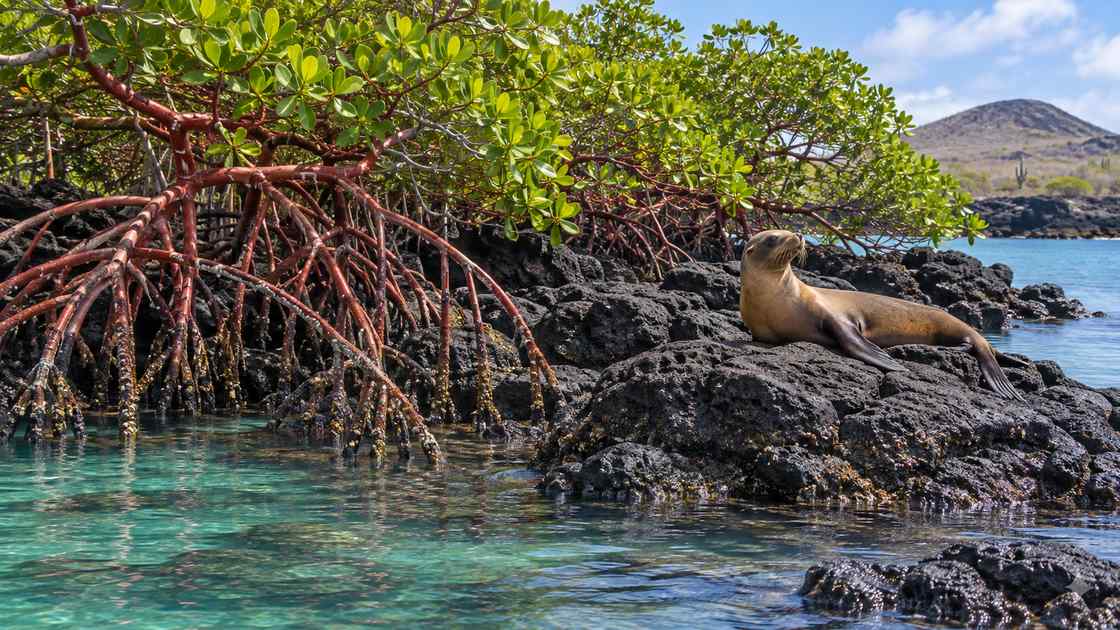
The site takes its name from the red mangrove, Rhizophora mangle, the tree with arching stilt roots that lines many sheltered bays in the islands. The Charles Darwin Foundation counts four mangrove species in the Galápagos (red, white, black and button) and says they cover about 3,700 hectares, or roughly 35% of the coast (Charles Darwin Foundation). Mangrove roots shelter young fish, sharks and rays, and the sediment under them stores large amounts of carbon.
Relax your way through the vacation to savor the joys of touring through the waters and the mangroves.
Getting there and entry rules
Flights to the islands leave from Quito and Guayaquil on the mainland and land at Baltra (for Santa Cruz) or San Cristóbal. Every visitor needs a Transit Control Card, which costs US$20 and has been bought online since 29 May 2025. The national park entrance fee for foreign adults doubled from US$100 to US$200 on 1 August 2024 and is paid in cash on arrival (Catch a Flight, AdventureSmith Explorations). Bags are checked for fruit, seeds, soil and other items that could carry pests to the islands.
Cruise or land-based trip?
There are two main ways to see the Galápagos. A live-aboard cruise moves between islands at night and lands at a new visitor site each day. A land-based trip uses a hotel or guesthouse on one of the inhabited islands, usually Santa Cruz, as a base for day boats. The Natural World Heritage Sites guide says that while about a quarter of visitors take a multi-day cruise, most now prefer a land-based visit with day trips (Natural World Heritage Sites). Visits to national park sites take place with licensed guides, and group sizes and times at each site are limited.
How this guide is written
Every guide on Red Mangrove Notes is based on published sources, such as UNESCO, the Charles Darwin Foundation and the Galápagos National Park, and links to them. Prices and rules change, so check the current position with the park or your operator before you travel. Pictures are illustrations, not photographs of any particular place or business. Read more on the about page.